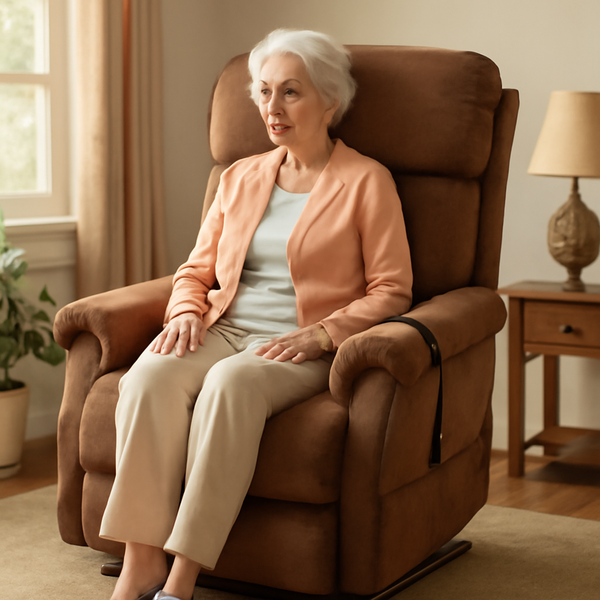
For seniors seeking enhanced comfort and greater independence at home, Medicare-covered lift chairs offer a valuable solution. These specialized recliners are designed to assist individuals with mobility challenges, providing gentle support to help them stand up or sit down safely. Understanding the benefits and how to access these devices through Medicare can significantly improve daily living. This article explores the advantages of lift chairs, their coverage under Medicare, and factors to consider when choosing the right model. Empowering seniors to maintain their autonomy and enjoy a higher quality of life is the primary goal, and lift chairs play a crucial role in achieving this.
Understanding the Benefits of Lift Chairs for Seniors
Lift chairs are more than just comfortable seating; they are assistive devices designed to promote safety and independence for seniors. For individuals experiencing weakness, pain, or stiffness in their legs and joints, the simple act of getting up from a standard chair can be a significant challenge, increasing the risk of falls. A lift chair functions by utilizing a motorized mechanism that gently elevates the entire chair, allowing the user to stand up with minimal effort. This smooth, controlled motion helps prevent strain on joints and reduces the likelihood of a fall. Beyond the primary lifting function, many lift chairs offer additional features such as reclining capabilities, massage functions, and heat, which can further enhance comfort and provide therapeutic benefits. These features can help alleviate muscle aches and pains, improve circulation, and promote relaxation, contributing to an overall sense of well-being. The ability to adjust the chair to various positions, from a comfortable upright stance to a fully reclined resting position, allows seniors to find the perfect support for reading, watching television, or simply relaxing. This versatility ensures that the lift chair can adapt to different daily activities and needs, making it an invaluable addition to any senior's home. The sense of security and confidence that comes with knowing you can easily get up and down from your chair can dramatically improve a senior's mental and emotional state, encouraging them to remain active and engaged in their daily routines.
Medicare Coverage for Lift Chairs: What You Need to Know
Navigating Medicare coverage for medical equipment can often seem complex, but understanding the specifics for lift chairs can clarify the process. Generally, Medicare Part B may cover lift chairs if they are deemed medically necessary and prescribed by a doctor. To qualify, a healthcare professional must document that the lift chair is essential for the patient's health condition, such as significant mobility limitations due to arthritis, neuromuscular disorders, or other debilitating conditions. The prescription must specify that the lift chair is necessary to help the patient get up from a sitting position, rather than just for general comfort or relaxation. It's important to note that Medicare typically covers the lifting mechanism of the chair, not necessarily the entire recliner. This means that the patient may be responsible for the cost of the chair's upholstery, frame, and any additional luxury features. The amount Medicare covers can vary, and beneficiaries may have a co-payment or deductible responsibility. To initiate the process, beneficiaries should consult with their physician to obtain a formal prescription and discuss their mobility needs. Following this, they will need to work with a Durable Medical Equipment (DME) provider that is approved by Medicare. The DME provider will handle the billing directly to Medicare. Patients should always confirm with their provider and Medicare directly to understand the exact coverage details, potential out-of-pocket costs, and any specific requirements or limitations that may apply to their individual plan and situation. A clear understanding of these guidelines is crucial to ensure a smooth and successful acquisition of a medically necessary lift chair.
Choosing the Right Lift Chair: Features and Considerations
Selecting the ideal lift chair involves considering a variety of factors to ensure it meets individual needs and preferences. The primary function, the lifting mechanism, should be robust and smooth, providing a stable and gentle transition between sitting and standing. The chair's size is also critical; it should be appropriately proportioned to the user's height and weight to ensure comfort and proper support. Seat depth, width, and back height should all be taken into account. For instance, a chair that is too deep might make it difficult for the user to comfortably place their feet on the floor, while one that is too shallow may not provide adequate support. The recline positions are another important feature. Many chairs offer multiple recline options, including a standard recline, a TV or reading position, and a near-flat position for napping. Some advanced models even offer infinite recline, allowing for a fully customized position. Upholstery is also a key consideration. Materials like leather, fabric, or vinyl each have their own pros and cons regarding durability, ease of cleaning, and comfort. For seniors who may have incontinence issues, a waterproof or easily cleanable fabric is highly recommended. Other features to consider include the availability of heat and massage functions, cup holders, side pockets for storage, and the ease of operation of the hand control. It's advisable to try out different models in person if possible, to get a feel for the comfort and functionality. Discussing these options with a healthcare provider or a knowledgeable DME supplier can help guide the decision-making process, ensuring the chosen lift chair will provide maximum benefit and satisfaction.
Integrating Lift Chairs into Daily Living for Enhanced Independence
The integration of a lift chair into a senior's daily living environment can significantly contribute to maintaining independence and improving overall quality of life. By providing a safe and effortless way to transition from sitting to standing, lift chairs empower individuals who might otherwise struggle with mobility. This newfound ease can encourage more frequent movement throughout the day, reducing the risk of stiffness and promoting better circulation. Imagine the simple act of getting up to prepare a meal, greet a visitor, or engage in a hobby becoming a stress-free activity. This reclaimed autonomy fosters a greater sense of control and dignity, combating feelings of dependence that can arise with age-related mobility challenges. Beyond the physical benefits, the psychological impact is profound. Seniors who feel more capable and less reliant on others for basic movements often experience increased confidence and a more positive outlook. This can lead to greater social engagement and a more active participation in life. Furthermore, the comfort features often found in lift chairs, such as adjustable recline and massage options, can turn a living room into a sanctuary for relaxation and recovery, making it easier for seniors to enjoy their downtime without discomfort. When considering where to place the lift chair, proximity to essential areas like the kitchen, bathroom, and television can maximize its utility, ensuring easy access throughout the day. The consistent use of a lift chair can help preserve muscle strength and prevent deconditioning, supporting a more active and fulfilling lifestyle for years to come.
The Role of Lift Chairs in Promoting Senior Well-being
Lift chairs play a vital role in promoting overall well-being among seniors, extending beyond mere physical assistance. Their ability to facilitate independent movement is a cornerstone of maintaining dignity and self-esteem, crucial aspects of mental and emotional health. When seniors can easily perform everyday actions like standing up from a chair without fear of falling or requiring help, their sense of control over their lives is significantly enhanced. This empowerment can reduce anxiety and depression, common issues faced by older adults experiencing declining mobility. The comfort and therapeutic features, such as lumbar support, heat, and massage, also contribute to physical well-being by alleviating pain and improving muscle function, which in turn can lead to better sleep quality and increased energy levels. By reducing the physical strain associated with simple movements, lift chairs can also help seniors conserve energy, allowing them to participate more fully in activities they enjoy, such as spending time with family, pursuing hobbies, or engaging in light exercise. This active lifestyle is intrinsically linked to better cognitive function and a reduced risk of chronic diseases. In essence, a lift chair is an investment in a senior's holistic health, supporting their physical comfort, emotional resilience, and overall independence, thereby contributing to a more fulfilling and enjoyable retirement.