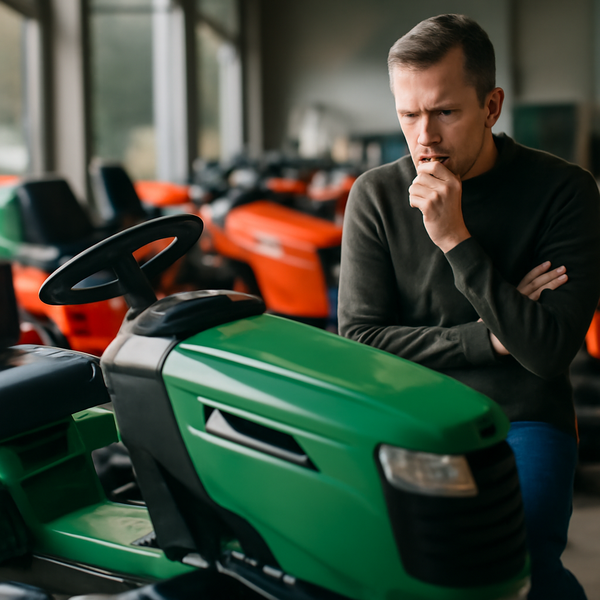
Shopping for a mower tractor can feel like a significant undertaking, especially with the variety of options available on the market today. It's more than just picking a machine that cuts grass; it's about finding a powerful, reliable partner for maintaining your property. Whether you have a sprawling estate or a moderately sized yard, the right mower tractor can transform yard work from a chore into a manageable task. Consider factors like the size of your lawn, the terrain, and the types of additional attachments you might need. Understanding these elements will help you narrow down your choices and invest in a machine that offers both efficiency and durability for years to come.
Understanding Your Lawn's Needs
Before diving into specifications and horsepower ratings, take a critical look at your property. The sheer size of your lawn is the most immediate factor to consider. For properties under an acre, a smaller riding mower or even a robust zero-turn mower might suffice. However, for anything larger, a true lawn tractor or garden tractor becomes increasingly essential. Think about the terrain as well. If your yard is relatively flat, most standard tractors will perform admirably. But if you have slopes, hills, or uneven ground, you'll need to prioritize features like hydrostatic transmission for smooth speed control, a wider wheelbase for stability, and possibly even a locking differential for better traction. Don't overlook obstacles either. If your lawn is peppered with trees, flower beds, or other landscaping features, maneuverability becomes key. This is where the turning radius of a mower tractor comes into play. Some models offer tighter turns than others, making it easier to navigate around these common yard elements without damaging your landscaping or the mower itself. Considering these aspects upfront will prevent you from purchasing a machine that's either too small and inefficient or too large and cumbersome for your specific environment.
Key Features and Specifications to Evaluate
When you start comparing different mower tractor models, you'll encounter a range of specifications that can seem overwhelming. One of the most crucial is the engine's horsepower (HP). Generally, more HP means more power, which is beneficial for thicker grass, inclines, and operating attachments like snow blowers or tillers. However, don't just chase the highest number; ensure it's matched to the size of your property and intended use. Transmission type is another significant consideration. Manual or gear transmissions require you to stop and shift gears, while hydrostatic transmissions allow for seamless speed adjustments on the fly, much like an automatic car, offering superior ease of use, especially on varied terrain. Deck size refers to the width of the cutting path. Larger decks can cover more ground in less time, but they can also be less maneuverable in tighter spaces. For most residential properties, decks ranging from 42 to 54 inches are common. Look into the build quality of the mower tractor. A sturdy frame, durable cutting deck material (often stamped steel or fabricated), and reliable steering components are indicators of a long-lasting machine. Seat comfort is also important if you'll be spending extended periods mowing. Many tractors offer adjustable seats and ergonomic designs to enhance operator comfort during prolonged use. Finally, consider the ease of maintenance. Access to the engine for oil changes, filter replacements, and blade sharpening can significantly impact your long-term ownership experience.
Attachments and Versatility: Beyond Mowing
The true value of a mower tractor often lies in its versatility. Many models are designed to be multi-functional workhorses, capable of handling a wide array of tasks beyond just grass cutting. When choosing a tractor, consider the types of attachments it can accommodate and whether those align with your property maintenance needs. Common attachments include lawn sweepers and baggers, which are excellent for collecting grass clippings, leaves, and other debris, contributing to a cleaner, tidier appearance. For tougher jobs, consider attachments like dethatchers, aerators, or power rakes, which help improve the health and vigor of your lawn by removing matted thatch and loosening compacted soil. If you live in an area with distinct seasons, a snow blade or snow blower attachment can transform your mower tractor into an invaluable tool for winter snow removal, saving you significant time and effort. Lawn rollers can be useful for smoothing out uneven ground or preparing a seedbed, while sprayers can help with weed control or fertilization. Some higher-end garden tractors even offer the ability to power tillers or cultivators, turning your mowing machine into a powerful gardening assistant. Ensure the tractor you select has a robust hitch system and sufficient power take-off (PTO) capabilities to effectively operate the attachments you intend to use. Researching compatibility and the ease of attachment and detachment will help you maximize the utility of your investment and consolidate multiple pieces of equipment into one efficient machine.
Maintenance and Longevity: Ensuring Your Investment Lasts
Investing in a mower tractor is a significant decision, and proper maintenance is crucial to ensure its longevity and optimal performance for years to come. Regular upkeep not only prevents costly breakdowns but also keeps the machine running efficiently, resulting in a cleaner cut and a more enjoyable mowing experience. This routine begins with understanding the owner's manual, which provides specific guidelines for your model. Key maintenance tasks include regular cleaning after each use to remove grass clippings and debris, which can prevent rust and corrosion. Checking and changing the engine oil at recommended intervals, typically outlined in hours of operation or time, is vital for engine health. Similarly, replacing air and fuel filters as needed ensures the engine breathes properly and receives clean fuel. Keeping the mower deck clean and free of built-up grass is essential for preventing clumping and ensuring an even cut; it also helps prevent rust. Inspecting and sharpening or replacing the mower blades regularly is paramount. Dull blades tear grass, leading to a poor finish and stressing the turf, while sharp blades provide a clean cut. Checking tire pressure and ensuring it's at the manufacturer's recommended level contributes to stability and maneuverability. Finally, a thorough pre-season inspection and a post-season tune-up, potentially involving a professional service, can catch potential issues before they become major problems. By adhering to a consistent maintenance schedule, you can significantly extend the operational life of your mower tractor and protect your investment.
Making the Final Purchase Decision
Once you've considered your lawn's specific requirements, evaluated the key features and specifications of various models, thought about the potential for attachments, and understood the maintenance involved, you're ready to make a more informed purchase decision. Compare prices across different retailers and consider any available financing options or promotional offers. Read reviews from other users who own models you are considering; their real-world experiences can provide valuable insights into performance, reliability, and potential drawbacks. Don't hesitate to visit local dealers to see the tractors in person, sit on them to gauge comfort, and ask detailed questions about warranty coverage and after-sales support. Some dealers offer demonstrations or even short test drives, which can be incredibly helpful. Ultimately, the best mower tractor for you will be the one that balances your budget, your specific yard needs, and your desire for features and versatility. Prioritize durability and ease of use, and remember that a well-maintained mower tractor is an investment that can serve you well for many seasons.